
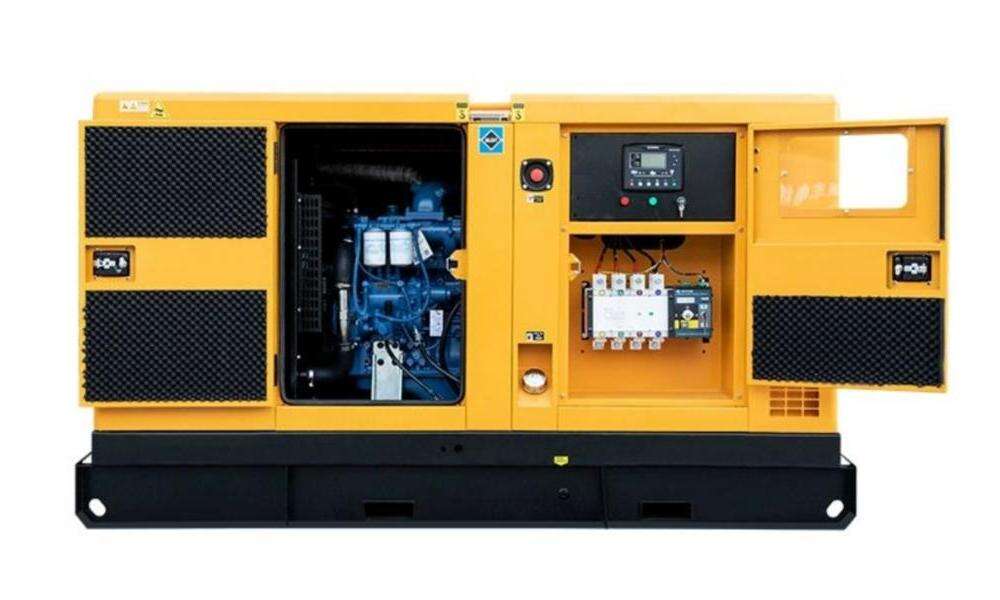
Maintaining a diesel generator is critical to ensuring operational continuity and maximizing the equipment’s lifespan. A comprehensive technological maintenance regimen focuses on the core sub-systems: the prime mover (diesel engine), the alternator, and the control and cooling systems. Failure to perform routine checks can lead to catastrophic failure during emergency power demands.
1. Engine Lubrication System Maintenance
The internal combustion engine relies heavily on its lubrication system to reduce friction, dissipate heat, and suspend contaminants. Technicians must check the engine oil level dynamically (after shutdown) and statically. Technical protocol dictates changing the lubricating oil and full-flow filters every 250 to 500 operational hours, depending on the tier-rating and manufacturer specifications. Oil viscosity must match the ambient operating temperature (e.g., 15W-40 for standard industrial operations). Furthermore, scheduled oil sampling (SOS) should be conducted to analyze for wear metals, water ingress, or fuel dilution, which are early indicators of bearing or piston ring degradation.

2. Cooling and Fuel System Integrity
Diesel generators produce immense thermal energy; therefore, maintaining the cooling system is paramount. The coolant level in the radiator and expansion water tank must be verified weekly. Heavy-duty diesel coolant (HDDC) containing supplemental coolant additives (SCA) prevents cavitation erosion of the wet cylinder liners. Simultaneously, the fuel system requires rigorous water separation. Diesel fuel attracts moisture, leading to microbial growth and injector nozzle corrosion. The primary water-fuel separator must be drained weekly, and the secondary micron filters replaced every 500 hours. Ensuring fuel lines are free from air intrusion prevents vapor lock and irregular firing.

3. Alternator and Electrical Control Checks
While the engine provides rotational mechanical force, the alternator winding assemblies and voltage regulators (AVR) require their own inspection. The stator and rotor windings must be kept free of dust, oil, and moisture to prevent insulation breakdown (measured via Megger testing). The starting batteries are the most common source of failure; lead-acid batteries must have their specific gravity tested and terminals cleaned of sulfate buildup. Finally, the Automatic Transfer Switch (ATS) and onboard control panels (such as Deep Sea or SmartGen) should undergo a simulated load bank test annually to verify sensor thresholds and automated shutdown sequences.

4. Exhaust System and Turbocharger Maintenance
The exhaust system manages the safe expulsion of combustion gases and operates under extreme temperatures. Routine checks involve inspecting the exhaust manifold, muffler, and piping for leaks or structural degradation. Leaks not only pose a carbon monoxide hazard but can also negatively affect engine performance. The turbocharger, if equipped, requires careful monitoring. Technicians should listen for abnormal whining noises and inspect the compressor wheels for soot buildup or physical damage. Ensuring proper oil flow to the turbocharger bearings is critical to prevent premature failure.

5. General Preventive Maintenance and Housekeeping
Beyond the core mechanical and electrical systems, general housekeeping plays a vital role in generator reliability. The physical environment surrounding the generator set must be kept clean, dry, and free of debris that could obstruct airflow. Vibration isolators and mounting bolts should be inspected annually for signs of wear or loosening. Additionally, all maintenance activities, fluid changes, and test results must be meticulously recorded in a logbook. This historical data is invaluable for predicting failure trends and scheduling timely overhauls.

Conclusion
Implementing a rigorous, scheduled maintenance program is the most effective strategy for extending the life of a diesel generator and ensuring its availability during critical power outages. By proactively addressing the needs of the lubrication, cooling, fuel, and electrical systems, operators can significantly reduce the risk of unexpected downtime and costly emergency repairs.